Compounded Tirzepatide: What It Is, How It Works, and What You Should Know

Compounded tirzepatide has become one of the most talked-about topics in modern metabolic wellness. As demand for GLP-1 therapies has surged, so has interest in compounded versions, with patients, physicians, and regulators all weighing in on access, safety, and the path forward.
This article breaks down what compounded tirzepatide is, how compounding pharmacies fit into the picture, and what recent regulatory developments mean for people exploring physician-guided weight loss support.
Key Takeaways
- Compounded tirzepatide is a customized medication prepared by compounding pharmacies, typically made available during official drug shortages.
- Compounding is legally tied to the FDA's drug shortage list -- when a drug is removed from that list, compounding restrictions tighten significantly.
- Compounded medications are not FDA approved drugs, meaning they have not gone through the same formal safety and efficacy review as commercially manufactured versions.
- The FDA has flagged safety concerns around compounded GLP-1 therapies, including dosing errors and adverse event reports.
- Whoosh offers physician-guided access to tirzepatide through a compliant, fully supervised telehealth process.
What Is Compounded Tirzepatide?
Tirzepatide is a dual-action GLP-1 and GIP receptor agonist that supports appetite regulation and metabolic function. It was originally developed to address blood sugar control and has since become widely prescribed for weight loss support under physician guidance.
Compounded tirzepatide refers to a version of this compound prepared by licensed compounding pharmacies rather than manufactured by the original drug maker. Under the Federal Food, Drug, and Cosmetic Act, compounding is a legal practice that allows pharmacists to prepare customized medication tailored to the clinical need of an individual patient -- for example, adjusting a dose, removing an allergen, or creating an alternative delivery format.
Compounded versions are distinct from FDA approved drugs. They do not go through the standard drug approval process and are not subject to the same manufacturing quality controls. That said, compounding has historically served an important role in helping patients access medications when commercially available versions are in short supply.
The FDA's Drug Shortage List and Why It Matters for Compounding
The legal basis for most compounded tirzepatide access in recent years traces directly to the FDA's drug shortage list. Under federal law, 503A compounding pharmacies and 503B outsourcing facilities are permitted to compound copies of FDA approved drugs only when those drugs appear on the FDA's shortage list.¹
Tirzepatide was added to the FDA's drug shortage list in 2022 after demand significantly outpaced available supply.² That designation opened the door for compounding pharmacies to legally produce compounded versions and fill the access gap for patients who could not obtain the commercially manufactured product.
The drug shortage designation was significant for two reasons: it created legal compounding access, and it brought a large number of new facilities and providers into the compounded GLP-1 space at scale.
FDA Clarifies Policies: What Happened After the Shortage Resolved
As of late 2024, the FDA determined that the tirzepatide shortage had been resolved.³ That resolution triggered an important legal shift: compounding pharmacies and outsourcing facilities could no longer lawfully produce compounded tirzepatide under the drug shortage pathway.
However, the transition was not immediate. Legal challenges from compounding pharmacies extended the timeline, and compounding of tirzepatide continued in some contexts even after the FDA's determination. The FDA clarifies policies around compounding on an ongoing basis, and providers operating in this space are required to monitor those updates closely.
The FDA has stated that outsourcing facilities cannot lawfully compound using bulk drug substances unless there is a clear clinical need that cannot be met through commercially available options.⁴ This standard reflects the agency's broader responsibility to protect patients while preserving legitimate access to compounded medications where it is medically justified.
How Compounding Pharmacies Operate
Compounding pharmacies prepare medications from raw ingredients, or bulk drug substances, rather than dispensing pre-manufactured products. They operate under two main regulatory frameworks.
503A pharmacies are traditional compounding pharmacies that prepare medications for individual patients based on a valid prescription. They are regulated primarily by state boards of pharmacy.
503B outsourcing facilities are federally registered facilities that can produce larger volumes for healthcare providers without patient-specific prescriptions. They are subject to FDA oversight and must meet current Good Manufacturing Practice standards.
Both types of compounding pharmacies are permitted to produce compounded versions of drugs on the FDA's drug shortage list. When a drug shortage ends, 503B outsourcing facilities are generally required to stop compounding that drug. 503A pharmacies may continue compounding for individual patients under specific conditions, but the rules are narrow.
The Outsourcing Facilities Association has been active in advocating for clearer guidance and transition timelines for its members as the regulatory landscape around compounded GLP-1 medications has shifted.
Weight Loss, GLP-1 Therapy, and the Demand for Compounded Options
The growth in demand for GLP-1 weight loss therapies has been substantial. Tirzepatide and compounded semaglutide both saw significant patient adoption as telehealth expanded access and clinical awareness grew.⁵
For many patients, cost was the primary driver toward compounded versions. Compounded tirzepatide has typically been available at a fraction of the cost of commercially manufactured options, making physician-guided weight loss support more accessible to a broader population.
Insurance coverage for GLP-1 therapies has been inconsistent, and many patients exploring weight loss and metabolic health support have faced significant out-of-pocket costs for commercially available products. Compounded versions filled part of that gap during the shortage period.
That said, cost and access advantages come with trade-offs. Compounded medications are not evaluated for safety, effectiveness, or purity through the same formal process as FDA approved drugs, and the variation between compounding facilities can be meaningful.
Safety Considerations: What the Data Shows
Safety is the central concern regulators have raised around compounded tirzepatide and related compounded GLP-1 products. The FDA received more than 320 adverse event reports associated with compounded tirzepatide, many involving dosing errors that required hospitalization.⁶
Compounded GLP-1 receptor agonists have been linked to a significant increase in calls to poison control centers, often due to confusion with units of measurement and varying concentrations between products.⁷
The FDA estimates that 10 deaths and 100 hospitalizations may be linked to the use of compounded GLP-1 therapies.⁸ These figures have informed the agency's posture toward compounding in this category and underscore why physician oversight matters when any form of tirzepatide therapy is being considered.
Compounded medications lack the batch-to-batch federal testing that FDA approved drugs receive, which raises the risk of dosing inaccuracies or bacterial contamination if the compounding environment is not properly controlled.⁹ Some compounding pharmacies have been cited for unsanitary conditions, lack of sterility assurance, and distribution of under-potent or misbranded mixtures.
None of this means that all compounding pharmacies operate at a low standard -- many operate with rigorous internal quality controls. But the variation in standards across the compounding landscape is real, and it is one of the reasons the FDA has moved to tighten oversight.
The Drug Approval Process and Why It Exists
FDA approved drugs go through a multi-phase clinical evaluation process before reaching patients. This drug approval process evaluates safety, efficacy, dosing accuracy, and manufacturing consistency -- all reviewed and verified by the FDA before the drug is commercially available.
Compounded drugs, by contrast, are not subject to this review. That does not make them inherently unsafe -- the underlying active ingredient may be the same. But it does mean that individual batches of compounded tirzepatide have not been formally validated by a federal agency for quality, potency, or sterility before distribution.¹⁰
Understanding this distinction helps patients make informed decisions and reinforces why physician guidance is essential throughout any weight loss or metabolic wellness protocol.
The Oral Administration Opportunity: A Changing Landscape
One area of genuine innovation in the GLP-1 and broader metabolic wellness space is delivery format. Most tirzepatide therapies have historically involved injections, which can be a source of friction for people who are otherwise motivated to pursue weight loss support.
Early human trial data from Lexaria Bioscience showed that oral tirzepatide capsules using their DehydraTECH technology achieved comparable bloodstream concentrations to injectable formats, with fewer reported side effects during the trial period.¹¹ This is an early data point, but it points toward a meaningful shift in how GLP-1 therapies might be delivered in the future.
For a platform like Whoosh, this matters. Reducing the friction around delivery format expands access, improves adherence, and aligns with a broader philosophy of making physician-guided wellness protocols easier to integrate into everyday life.
What to Look for in a Physician-Guided Tirzepatide Protocol
Whether considering compounded or commercially manufactured tirzepatide, the quality of physician oversight is the most important factor in a safe and effective experience. A few things worth evaluating:
- Is there a licensed physician conducting a real intake and evaluation before prescribing?
- Is there ongoing monitoring and support throughout the protocol?
- Is the compounding pharmacy, if applicable, 503A or 503B registered and state-licensed?
- Is dosing guidance clear and specific, including how to handle adjustments?
- Is there a plan in place for managing side effects or changing needs over time?
Telehealth has made physician-guided care more accessible, but not all telehealth platforms operate at the same standard. Physician involvement should be substantive, not performative.
Compounded Tirzepatide at Whoosh Wellness
.avif)
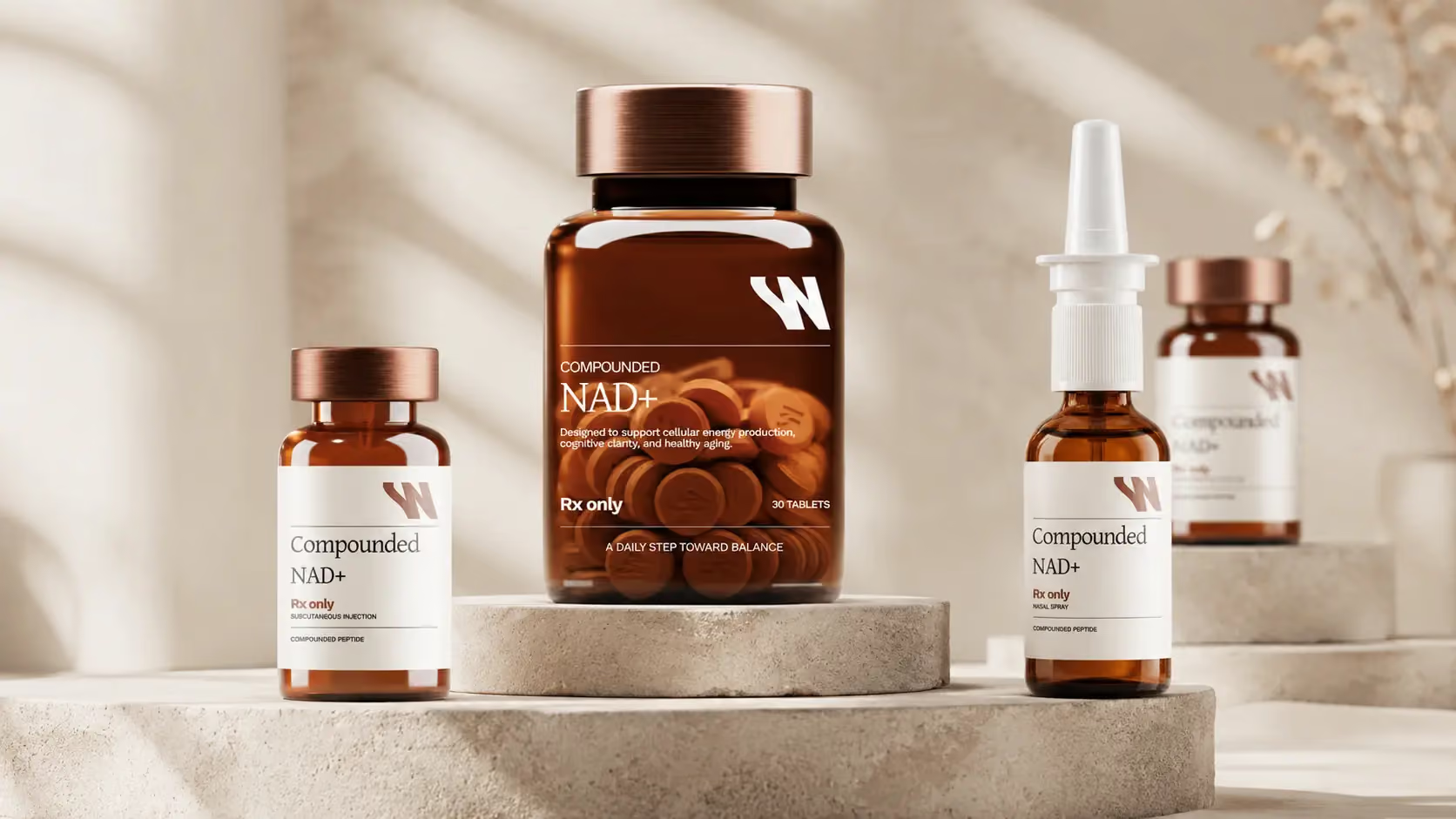
Whoosh Wellness offers physician-prescribed compounded tirzepatide in both oral and injectable formats, with microdosing protocols available for those who prefer a more gradual approach to GLP-1 therapy. Before anything ships, a licensed Whoosh physician reviews your health history and determines a dosing strategy tailored specifically to you.
Every order is fulfilled by a licensed U.S. 503B compounding pharmacy held to strict sterility, potency, and purity standards, so you know exactly what you're getting and why. If you're ready to work with a platform that puts clinical oversight first, here's where to start.
Conclusion
Compounded tirzepatide played a meaningful role in expanding access to GLP-1 weight loss support during a period when commercially available supply could not meet patient demand. The regulatory framework that enabled that access is evolving, and the FDA's clarification of policies around compounded GLP-1 therapies reflects a commitment to protecting patients as the category matures.
For people exploring tirzepatide or any GLP-1 therapy, the most important step is working with a physician-guided platform that takes safety, compliance, and ongoing care seriously. That is the standard Whoosh is built around.
About Whoosh
Whoosh is a premium physician-guided telehealth wellness platform focused on helping health-conscious adults optimize performance, longevity, recovery, and metabolic health through modern prescription wellness protocols. Built for people who already invest in their health, Whoosh combines a seamless online experience with ongoing physician oversight, trusted pharmaceutical partnerships, and science-backed wellness education. Patients complete a streamlined online intake, connect with licensed physicians remotely, and receive personalized physician-guided protocols delivered directly to their door, all through a compliant, fully remote process.
Frequently Asked Questions
Meet the Author

Reviewed By

Related articles
.avif)
.avif)