NAD Injection Benefits: What the Science Says and Why Delivery Matters
.avif)
NAD therapy is gaining serious momentum in the wellness and longevity space -- and for good reason. As research continues to build around nicotinamide adenine dinucleotide and its role in how the body produces energy, repairs cells, and regulates aging, more health-conscious adults are exploring NAD injections as a practical tool for optimization. This article breaks down what the science actually supports, what to expect from NAD injection therapy, and why how you take it matters as much as the molecule itself.
Key Takeaways
- NAD injections bypass the digestive system for direct cellular absorption, making them more bioavailable than most oral supplements
- NAD therapy supports energy production, DNA repair, mental clarity, and metabolic health -- all of which decline as NAD levels drop with age
- Research suggests NAD+ levels can fall by as much as 50% between early adulthood and the 50s or 60s,¹ creating a measurable deficit in cellular function
- Self-administered NAD injections offer a practical, time-efficient alternative to IV clinic visits, with physician oversight available through telehealth platforms
- Oral NAD formulations offer a compelling compliance-friendly option for those who want consistent daily support without injection friction
What Is NAD and Why Do Levels Decline?
NAD, short for nicotinamide adenine dinucleotide, is a coenzyme found in every cell of the body. It plays a central role in converting food into usable energy, supporting DNA repair, and regulating proteins involved in cellular stress and aging.
The problem is that NAD levels drop significantly as we age. Research shows NAD+ concentrations can decline by up to 50% between early adulthood and the 50s or 60s.¹ That decline is closely tied to reduced energy production, slower cellular repair, and many of the functional changes people associate with aging.
Restoring NAD levels through targeted therapy is the core premise behind NAD injections.
How NAD Injections Work
Bypassing the Digestive System for Direct Absorption
NAD injections deliver nicotinamide adenine dinucleotide directly into the body via intramuscular or subcutaneous injection.² This bypasses the digestive system entirely, allowing the compound to reach the bloodstream and cells without the absorption losses that typically affect oral supplements.
For people who want reliable, consistent NAD levels, this is a meaningful advantage. Oral NAD precursors like NMN and NR have to survive digestion and conversion before they become active -- NAD injections skip that process.
Self-Administered Care Changes the Equation
One of the more significant shifts in NAD therapy is the move away from IV clinic dependency. Traditional NAD IV therapy requires scheduling appointments, sitting through multi-hour infusions, and repeatedly making time for in-clinic visits.
Self-administered NAD injections change that entirely. With physician guidance and a simple at-home protocol, patients can maintain consistent NAD levels on their own schedule. For high-performing professionals and health-focused adults, the time savings alone make self-administered care a compelling option.
Physician-guided telehealth platforms now make it straightforward to access NAD injections without the overhead of a brick-and-mortar clinic. You complete an intake online, connect with a licensed physician remotely, and receive your protocol at home.
The Core Benefits of NAD Injections
Cellular Health and Energy Production
NAD injections support cellular health at a fundamental level by fueling ATP production -- adenosine triphosphate, the molecule cells use for energy.³ When NAD levels are adequate, mitochondria function more efficiently, and the body produces energy more reliably across tissues.
Many patients report more energy, improved stamina, and reduced fatigue after beginning NAD therapy. This tracks with the mechanism: NAD is directly involved in the metabolic pathways that convert food into cellular energy. When levels are replenished, energy production improves.⁴
DNA Repair and Cellular Longevity
NAD plays a critical role in activating enzymes involved in DNA repair, including a family of proteins called PARPs (poly ADP-ribose polymerases).⁵ These enzymes use NAD as a substrate to detect and repair damaged DNA strands.
As NAD levels decline, DNA repair capacity decreases. This is thought to contribute to the cellular accumulation of damage associated with aging. NAD injections help replenish the substrate needed for this repair work, supporting longer-term cellular integrity.
Higher NAD+ availability also activates sirtuins -- proteins that regulate cellular stress resistance, inflammation, and metabolic function.⁶ This positions NAD therapy as a broad-spectrum support tool rather than a single-benefit intervention.
Mental Clarity and Brain Health
Cognitive function is closely tied to NAD status. As levels fall with age, many people experience brain fog, slower processing, and difficulty with focus and memory. These symptoms are not random -- they reflect reduced NAD-dependent energy production in neurons and increased neuroinflammation.
NAD injections have been shown to improve mental clarity by supporting neural energy metabolism and reducing neuroinflammation.⁷ Research also indicates that NAD+ plays a key role in maintaining neuronal health, with early evidence suggesting benefits for brain health in individuals with neurodegenerative conditions.⁸
For people dealing with chronic fatigue or brain fog, NAD therapy often shows noticeable results in mental clarity within weeks of consistent use.
Metabolic Health and Insulin Sensitivity
NAD injections support metabolic health by enhancing cellular insulin sensitivity and improving how the body processes nutrients.⁹ This has downstream effects on weight management, blood sugar regulation, and overall metabolic function.
Mitochondrial dysfunction -- which worsens as NAD levels drop -- is a contributing factor in many metabolic diseases. By restoring NAD levels, injections help improve mitochondrial efficiency, which supports healthier metabolism and energy balance.
Cardiovascular Health and Inflammation
NAD therapy also intersects with cardiovascular health. Sirtuins activated by NAD help regulate inflammation pathways and protect vascular tissue from oxidative stress.¹⁰ While more research is needed in this area, early evidence points to meaningful metabolic support benefits for cardiovascular function.
Blood pressure regulation and systemic inflammation are both influenced by NAD-dependent enzymatic activity, reinforcing the value of maintaining adequate levels as part of a long-term wellness protocol.
NAD Injections and Addiction Recovery
A Clinically Studied Application
One of the more established use cases for NAD injection therapy is addiction recovery. NAD+ therapy has been used in addiction treatment protocols since 2001, with clinical applications developed for patients experiencing withdrawal symptoms from opioid and alcohol dependence.¹¹
How NAD Supports Recovery
NAD injections help support addiction recovery by replenishing depleted cellular energy stores, supporting the brain's neurotransmitter systems, and assisting in flushing metabolic toxins from the body.
A 2022 study of 50 patients receiving NAD+ infusions found significant reductions in craving scores, anxiety, and depression.¹² These findings support the role of NAD therapy as an adjunct to standard addiction treatment, not a replacement.
Managing withdrawal symptoms is one area where high-dose NAD protocols appear particularly useful. Patients often report faster resolution of physical symptoms during medically supervised NAD infusions, though it is consistently emphasized that NAD therapy should be combined with behavioral treatment and ongoing support for best outcomes.
Daily Use and the Case for Consistent Maintenance
Why Frequency Matters
The benefits of NAD injections are cumulative. A single high-dose session produces effects, but the real clinical value comes from consistent, ongoing use that keeps NAD levels elevated over time.
A maintenance schedule of regular low-dose injections supports steady cellular function, sustained mental clarity, and ongoing metabolic support. Many patients describe the difference between sporadic and consistent NAD therapy as significant -- not just in energy levels, but in mood, focus, and overall well being.
This is why self-administered NAD injections are practical for long-term wellness goals. When patients can dose at home on a regular schedule, compliance improves. And with better compliance comes better results.
The Tablet Option: Real Compliance, Real Results
For patients who want daily NAD support without injections, oral NAD formulations provide a meaningful alternative. While oral supplements have lower bioavailability than injections, high-quality oral NAD formulations -- particularly those using NAD precursors like NMN or NR -- can meaningfully elevate NAD levels when taken consistently.
The compliance advantage of a daily tablet or oral format is real. Many patients find it easier to build a daily oral supplement into their routine than to maintain an injection schedule. For some, a combined approach works well: injections for periodic NAD loading and daily oral support for maintenance.
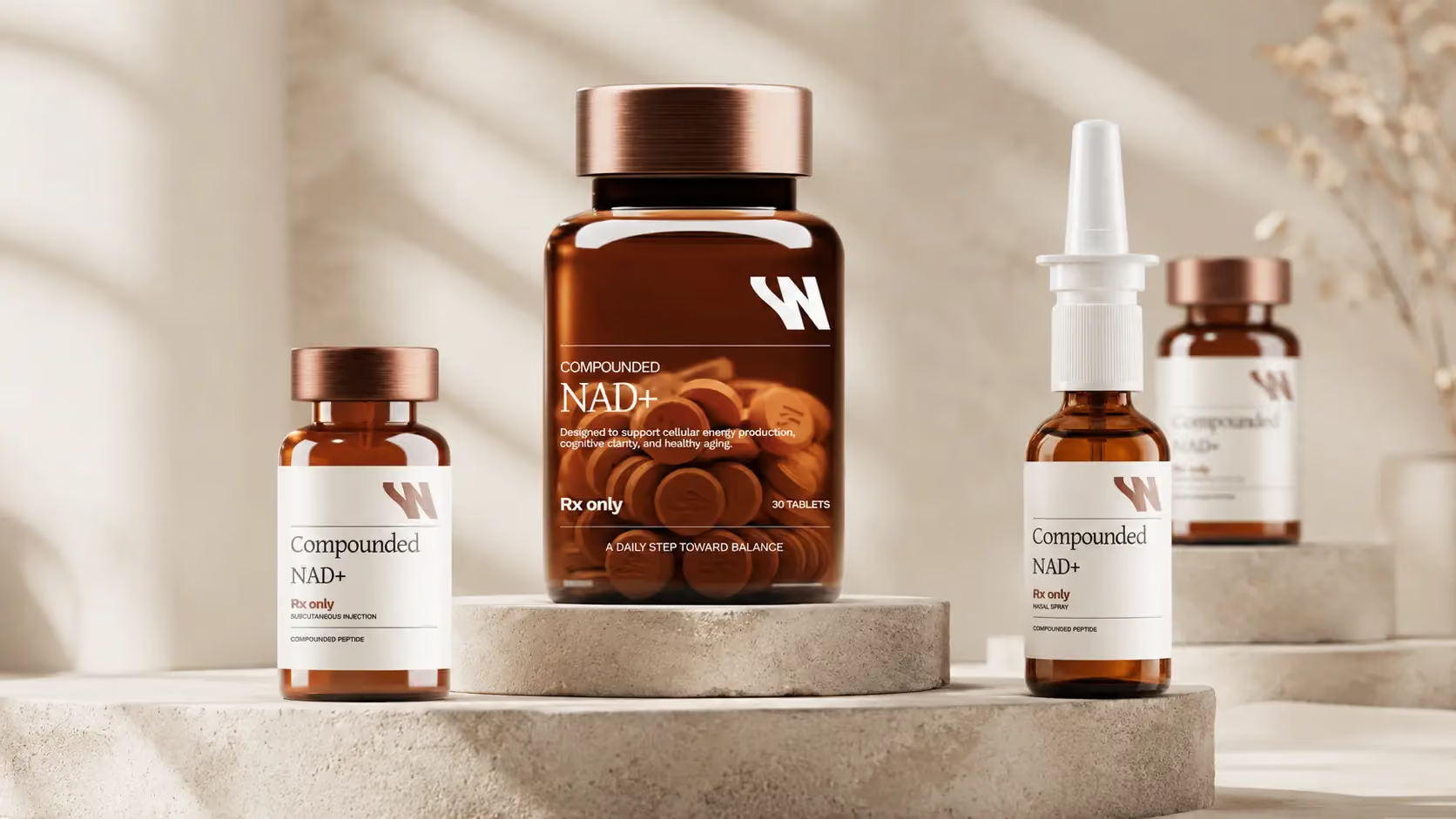
Whoosh offers both formats, giving patients the flexibility to build a protocol that fits their health goals and lifestyle.
Potential Side Effects and What to Expect
Generally Well Tolerated
NAD injections are generally well tolerated, particularly when self-administered at standard doses under physician guidance. Common side effects include mild nausea, headache, flushing, and temporary fatigue as the body begins to utilize NAD+ for cellular repair and energy production.¹³
Injection site soreness, minor redness, or a brief burning sensation can occur. These effects are typically mild and resolve quickly. In rare cases, firm lumps can develop at the injection site if the fluid does not disperse properly, which can be addressed by rotating sites and following proper technique.
When to Contact a Healthcare Provider
Most side effects are transient and manageable. However, patients should contact their healthcare provider if they experience heart palpitations, significant blood pressure changes, or signs of an allergic reaction.¹⁴
Rare but serious reactions, including anaphylaxis, have been documented. Starting with lower doses and increasing gradually under physician oversight is the recommended approach to minimize these risks.
Long-Term Benefits of NAD Therapy
The long-term benefits of consistent NAD therapy extend across multiple systems. Patients who maintain regular NAD injections over months typically report:
Sustained improvements in energy levels and reduced chronic fatigue. Clearer cognitive function and reduced brain fog. Better metabolic health markers and improved insulin sensitivity. Ongoing support for DNA repair and reduced cellular aging signals. Improved mood and better sleep quality over time.
While preclinical research has been strong, comprehensive long-term human randomized controlled trials are still developing.¹⁵ The current evidence base is promising, and the clinical experience from patients using NAD therapy supports its value as a long-term optimization tool.
Final Thoughts
NAD injections offer a well-supported, multi-system approach to cellular health optimization. From energy production and DNA repair to mental clarity, metabolic support, and addiction recovery, the benefits of NAD therapy are both mechanistically grounded and practically meaningful.
The real shift in accessibility is happening now. Self-administered protocols guided by telehealth physicians make NAD injections viable for consistent, long-term use without clinic dependency. For patients who prefer a non-injectable option, oral NAD formulations provide a practical daily alternative with real compliance advantages.
If you are exploring NAD therapy as part of a broader wellness protocol, the most important step is connecting with a physician who can guide dosing, delivery format, and a maintenance schedule tailored to your goals.
About Whoosh
Whoosh is a premium physician-guided telehealth wellness platform helping health-conscious adults optimize performance, longevity, recovery, and metabolic health through modern prescription wellness protocols. Built for people who already invest in their health, Whoosh combines a seamless online experience with ongoing physician oversight, trusted pharmaceutical partnerships, and science-backed wellness education. From NAD+ and glutathione to GLP-1 protocols and hormonal optimization, every Whoosh protocol is physician-guided, fully compliant, and designed to make advanced wellness care feel approachable. Complete a streamlined online intake, connect with a licensed physician remotely, and receive your personalized protocol delivered directly to your door.
Frequently Asked Questions
Meet the Author

Reviewed By

Related articles
.avif)
.avif)